
Most gazebo listings describe the frame in one word: aluminum or steel. That word tells you a lot about how the structure will age, how heavy the kit will be, and what it will cost. This aluminum vs steel gazebo comparison looks at both frame materials using what manufacturers publish for the gazebos in our catalog.
At a glance
| Factor | Aluminum frame | Steel frame |
|---|---|---|
| Rust | Does not rust; can oxidize on the surface | Rusts where the coating chips or scratches |
| Weight | Lighter for the same size | Heavier, which helps it sit firmly |
| Where it is common | Most permanent hardtops and louvered pergolas | Most pop-ups, soft tops, and grill gazebos |
| Coating | Usually powder-coated for color | Powder-coated or painted to slow rust |
| Coastal and humid sites | Better suited | Needs more frequent coating touch-ups |
| Upfront cost | Usually higher | Usually lower |
Where each frame shows up
In our catalog the split follows the product type more than the brand. Among hardtop gazebo listings that name a frame material, aluminum is the more common choice, and louvered pergolas are almost all aluminum. Pop-up canopies go the other way: nearly every pop-up listing that names its frame uses steel, and steel also dominates soft top and grill gazebo listings. So the choice is often made for you by the type of shelter you want. If you are still choosing the type, start with Hardtop vs Soft Top Gazebo.
Rust and long-term finish
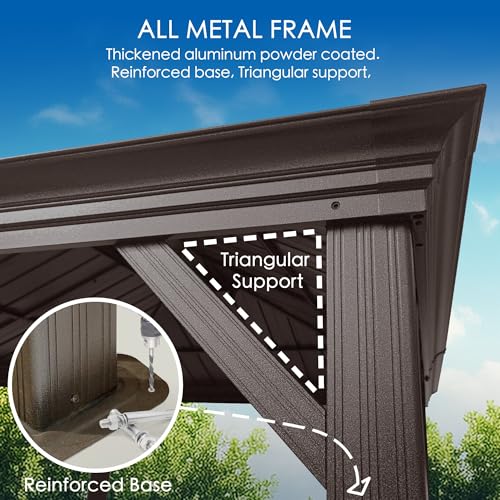
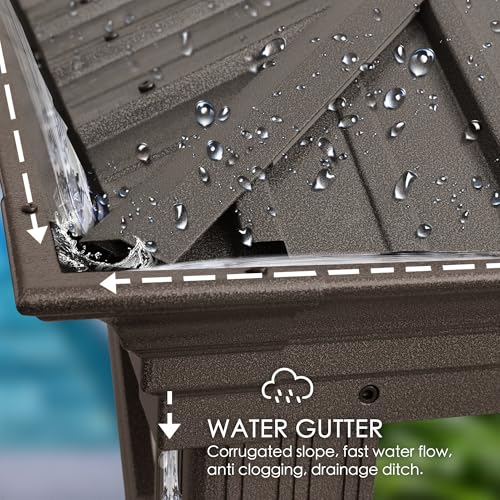
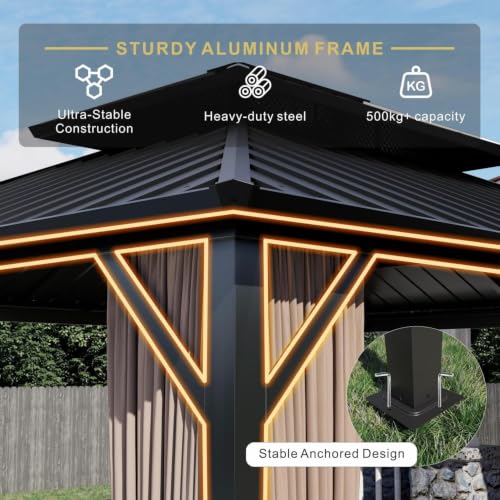
This is the main practical difference. Aluminum does not rust, which is why sellers lean on it in their copy. YITAHOME says its 10×12 hardtop uses a powder-coated aluminum frame that “stands defiant against rust, corrosion, and UV fading,” and HAPPATIO pitches its aluminum frame for “humid, rainy, or coastal environments.” Steel needs its coating to stay intact. Sunjoy, Tangkula, and SOLUMIA all describe powder-coated steel frames, and SOLUMIA says its coating “resists rust, corrosion, and fading.” That holds while the coating is unbroken. Once a corner gets scratched during assembly or a pole gets knocked, bare steel can start to rust at that spot.
If you choose steel, plan to inspect joints and feet each season and touch up chips. Our Gazebo Maintenance Guide covers what to check.
Weight, stiffness, and wind
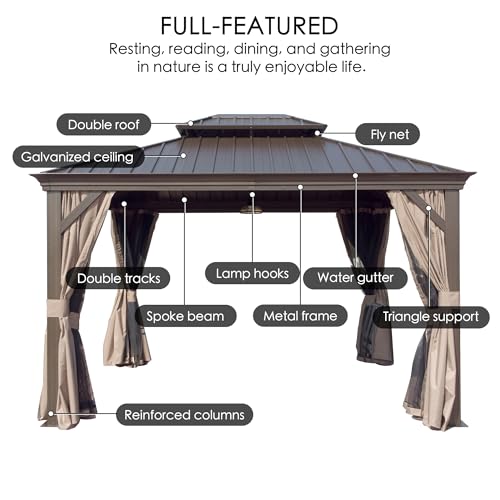
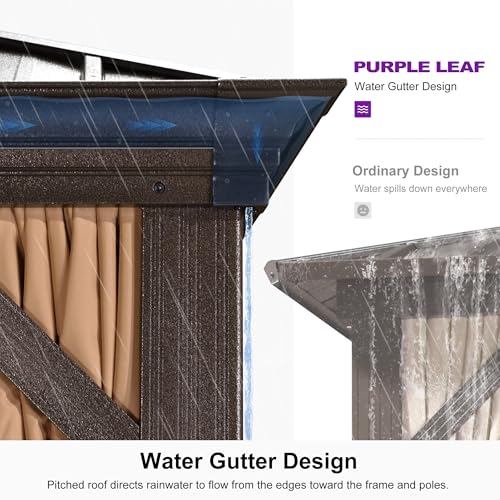
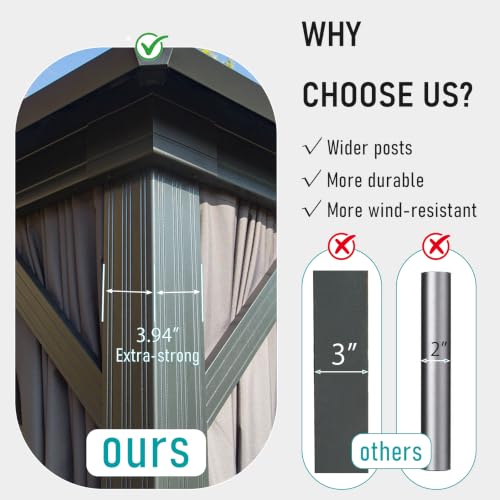
Steel is stiffer and heavier than aluminum for a tube of the same size, so aluminum frames make up for it with larger profiles. That is why you see claims about frame width: PURPLE LEAF advertises a 4.7 inch wide aluminum frame on several hardtops, and YOLENY and EROMMY describe triangular aluminum frame sections. A heavier steel frame is not automatically more wind resistant, and neither is a wider aluminum one. Stated wind figures depend on the whole design and on anchoring. Kozyard, for example, says the Alexander handles winds up to 60 mph “when properly anchored.” Read Gazebo Wind Ratings Explained before comparing numbers across brands.
Assembly and moving the gazebo
Lighter aluminum parts are easier to lift onto a ladder, which matters for roof beams on a 12×16 or larger hardtop. Steel pop-ups are heavier to carry but fold into a single frame, so the weight mostly matters at the car and on setup day. If you expect to relocate a permanent gazebo, aluminum is the easier material to take apart and move.
Cost
Aluminum frames generally sit at higher price points in our catalog, partly because they come on larger permanent hardtops. Steel keeps entry-level gazebos, pop-ups, and grill shelters affordable. Compare frames within the same size and roof type rather than across categories.
Choose aluminum if
- You want a permanent hardtop or louvered pergola that stays up year-round.
- You live near the coast or in a humid climate.
- You want a frame that needs little more than cleaning.
Aluminum-frame hardtops to compare:

Kozyard Alexander 10' x 14' Hardtop Gazebo Review


As an Amazon Associate we earn from qualifying purchases. Product prices and availability are accurate as of the date/time indicated.

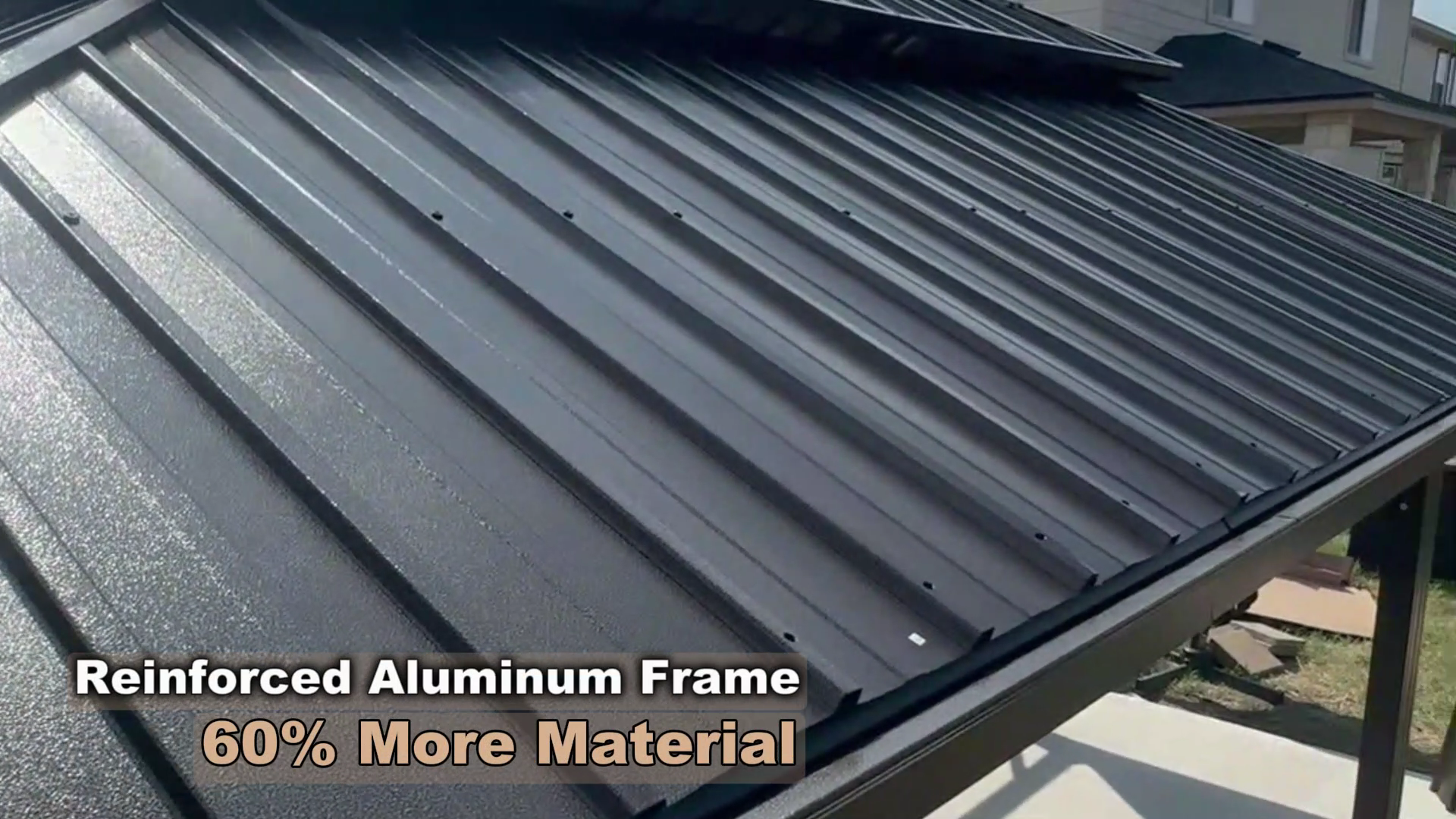
PURPLE LEAF 13x15 Hardtop Gazebo with LED


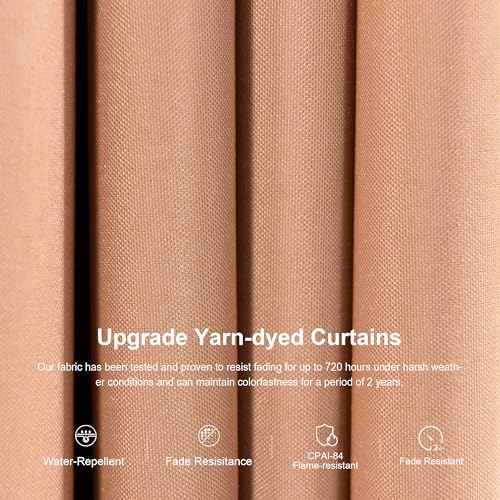
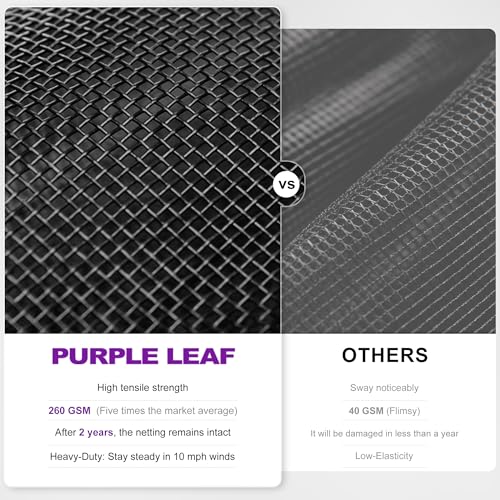
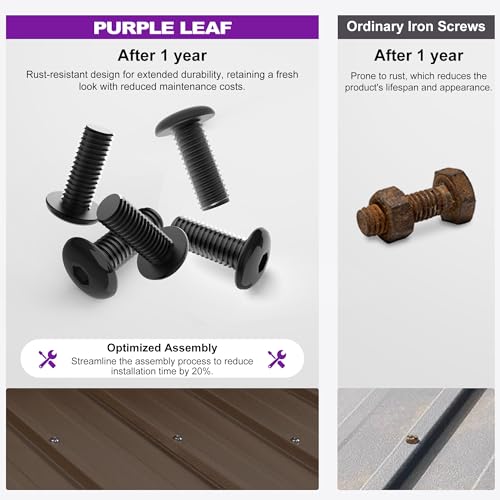
As an Amazon Associate we earn from qualifying purchases. Product prices and availability are accurate as of the date/time indicated.
Choose steel if
- You want a pop-up, soft top, or grill gazebo at a lower price.
- The structure will be used seasonally and stored when not in use.
- You are willing to check for chips and touch up the coating.
Steel-frame hardtops to compare:

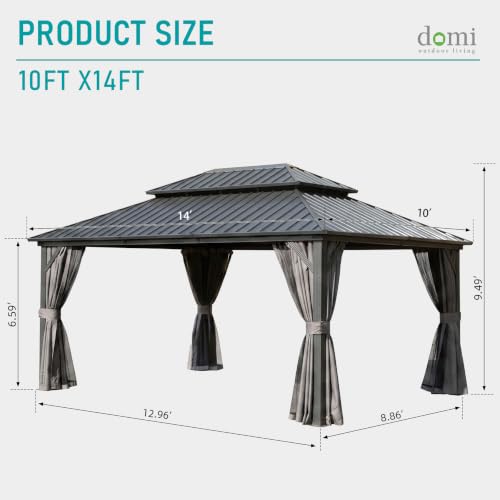
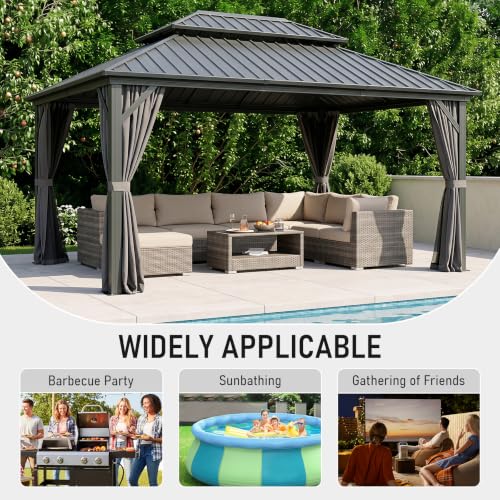
Domi 10x14 Metal Hardtop Gazebo with Mosquito


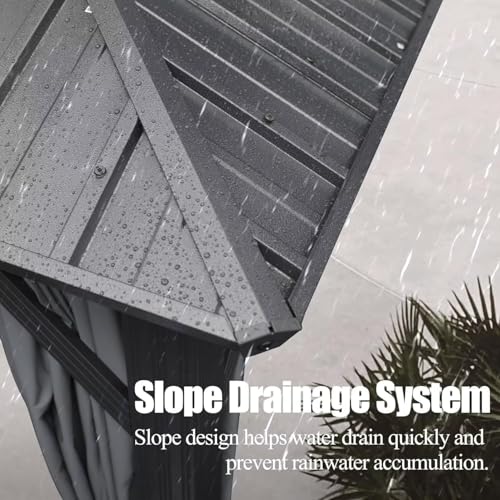
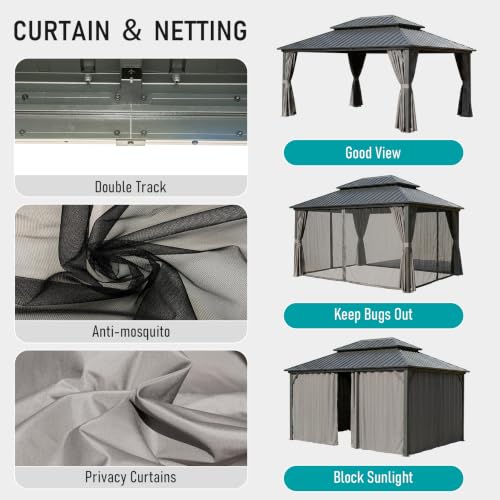
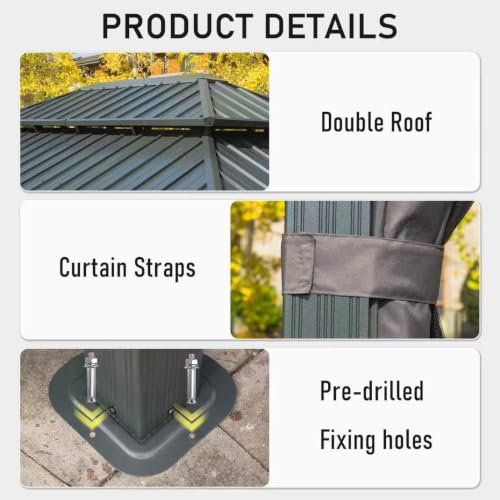
As an Amazon Associate we earn from qualifying purchases. Product prices and availability are accurate as of the date/time indicated.

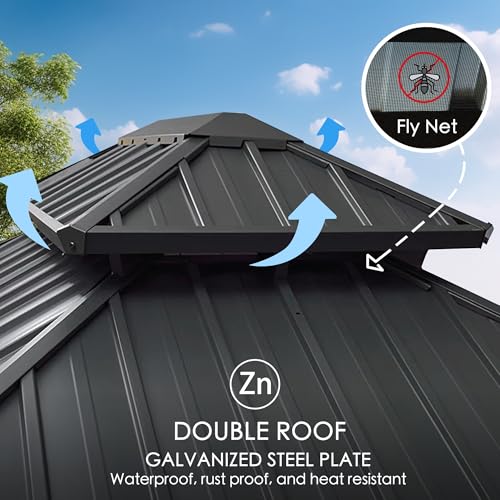
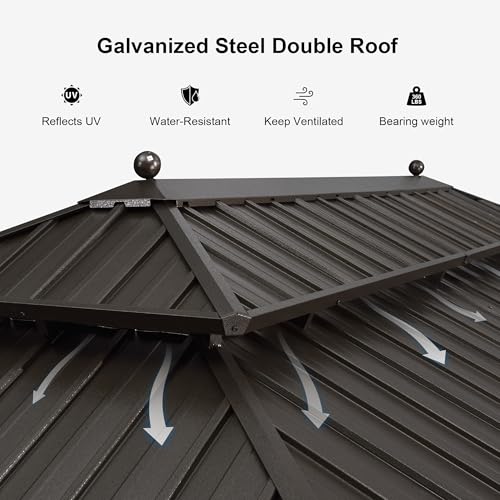
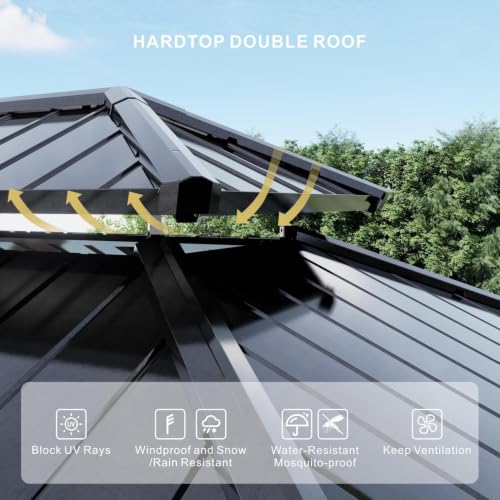
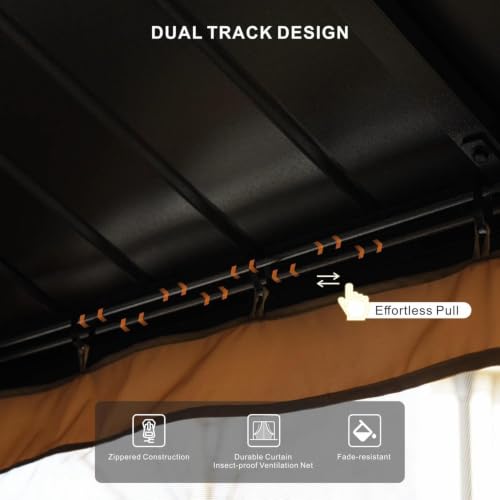
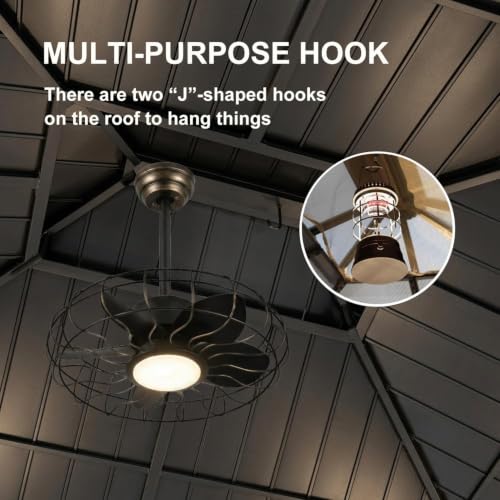
10x12 Hardtop Gazebo with Double Roof


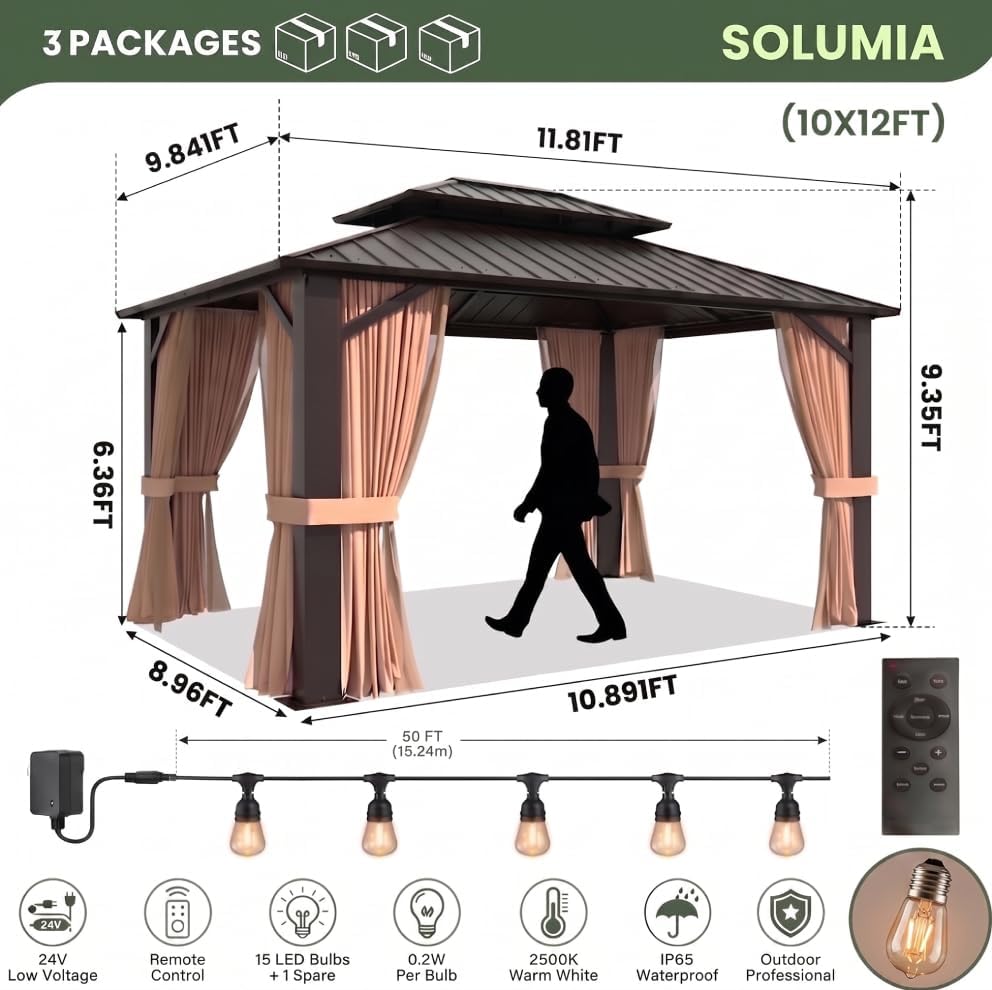
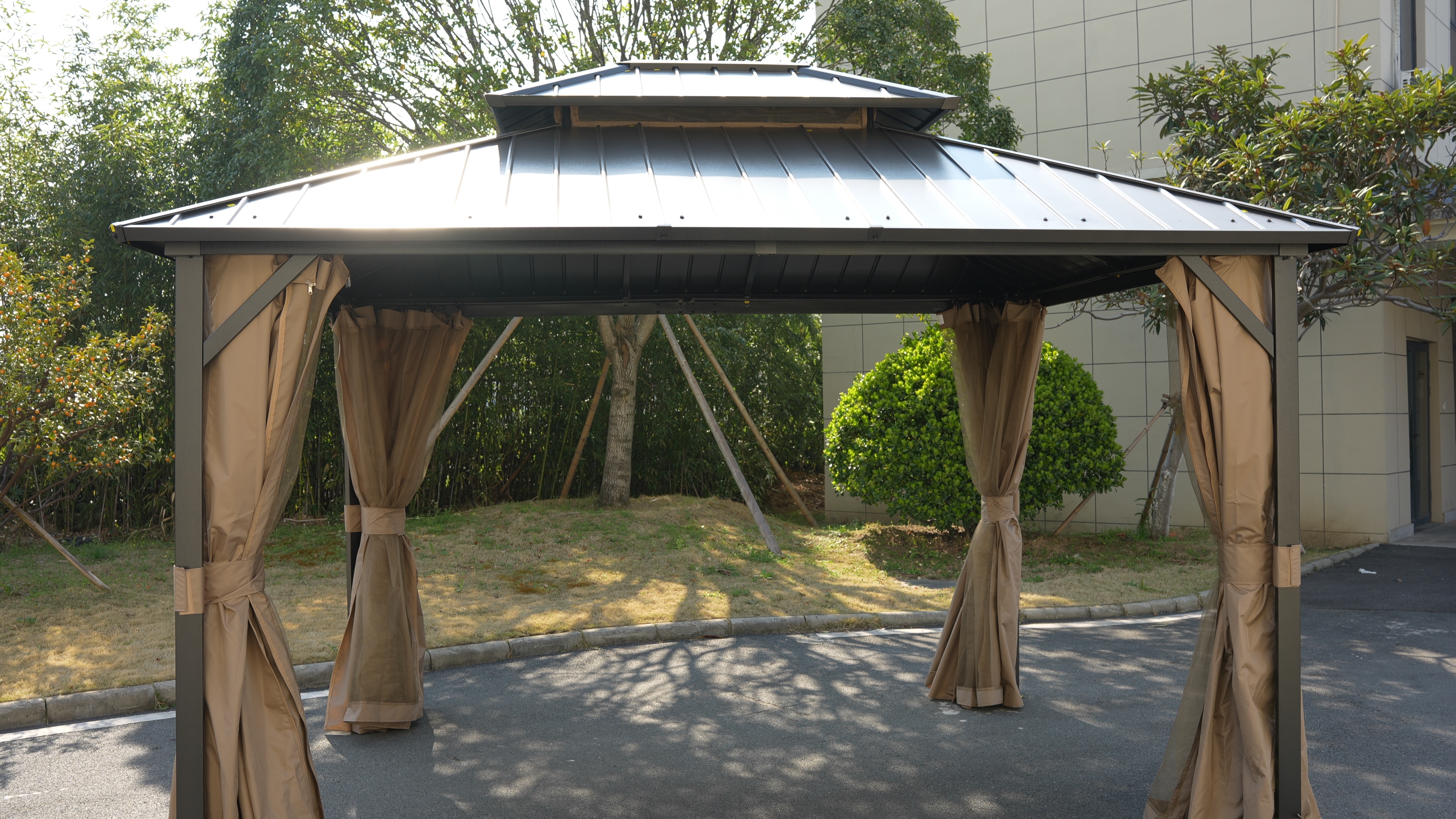
As an Amazon Associate we earn from qualifying purchases. Product prices and availability are accurate as of the date/time indicated.
Who should skip each
Skip aluminum if your budget is tight and you only need seasonal shade; you will pay more for rust resistance you may not need. Skip steel if the gazebo will sit near salt air or sprinklers year-round and you do not want to maintain the coating, or if the listing does not say the frame is powder-coated.
Next steps
Browse Best Aluminum Hardtop Gazebos and Best Steel Hardtop Gazebos, or read Gazebo Materials Explained for roofs and fabrics.
How we put this guide together
We compared the listings in our product catalog (October 2026) on the specifications and claims each manufacturer publishes. Counts are approximate and refer to listings, so size and color variants of one model are counted separately. Wind, snow, and load figures are manufacturer claims, not our own measurements, and quotes are taken from the named listings. Our evaluations are based on manufacturer specifications and aggregated owner feedback.


Write Your Review
No reviews yet. Be the first to share your experience!